Не удалось проверить запрос к ИИ. Попробуйте ещё раз.Пройдите эту проверку для генерации.скрытьпоказатьЗакрытьНет документальных фильмов, соответствующих этим фильтрам.{0} минВсеКомедияДокументальныйДрамаФантастикаЕда и культураИсторияУжасыПрирода и животныеЛюди и работаМелодрамаНаука и мышлениеТриллерБез категорииСкрыть подсказкиГотовоКак учиться с этим видеоСохраните для практикиНажмите + в переводе, чтобы сохранить слово и повторить его позже. Аккаунт не нужен.Слово сохранено. Пройдите короткий тест, а при следующем посещении повторите сохранённые слова.Начать первое занятие →Начните здесьПосмотрите видео, переведите слово в субтитрах и сохраните его для практики. Начать просмотр можно без аккаунта.Одно короткое видео. Одно полезное новое слово.Ваше первое занятиеПереведите словоВключите видео и нажмите на слово в английских субтитрах, чтобы перевести его. Выберите язык перевода во всплывающем окне.Посмотрите 30 секундВаш прогресс привязан к этому браузеру. Очистка данных сайта может привести к потере доступа.Продолжить с {0}Продолжить просмотрСлов для повторения: {0}Не удалось загрузить следующее занятие. Попробуйте ещё раз.Посмотрите фильм сейчас. Аккаунт можно создать позже.Ищем следующую историю…Ваша следующая историяНовых фильмов с такими параметрами нет. Попробуйте другой уровень или жанр.История для вашего уровня и интересовПовторяйте словаСоздать бесплатный аккаунтВернитесь к месту остановкиПовторить сохранённые словаПовторите слова, сохранённые из просмотренных историй.Сохраняйте прогрессНе удалось сохранить предпочтения. Попробуйте ещё раз.Ваши предпочтения сохранены в аккаунте.Смотреть этот фильмB2–C1 · ПродвинутыйA1–A2 · НачальныйB1–B2 · СреднийФильмы не найдены. Попробуйте другой фильтр или сортировку.Не удалось загрузить фильмы. Попробуйте ещё раз.Загружаем ещё фильмы…Нет изображенияПросмотров: {0}Смотреть {0}Слова по уровнямЗагрузка…ДалееСоздайте аккаунт или войдите, чтобы активировать преимущества Premium.Получите более высокие дневные лимиты с Premium.Лимит достигнутВойдите, чтобы оформить подпискуПодписатьсяАвтоматические субтитрыАнглийскийВыйти из полноэкранного режимаПолный экранДля этого видео нет переведённых субтитров.АвтоматическиВыберите язык для показа под английским. Нажмите ещё раз, чтобы отключить.ВыключеноВыбранный язык недоступен для этого видео. Английские субтитры остаются включёнными.Язык субтитровСравнить Free и Premium →2,99 € в месяц или 19,99 € в год с ежегодной оплатой.Создавайте до {0} ИИ-текстов с вашими словами и {1} иллюстраций к историям в день.Продолжайте учиться с PremiumПолучите больше переводов в день и создавайте больше текстов и картинок с ИИ на основе своих слов.НазадСоздайте бесплатный аккаунт, чтобы сохранить прогресс на разных устройствах.Используйте все слова перед проверкой.Вопросы в вашей практике: {0} / {1} · Все уровни.Правильный ответ: {0}Найти другой фильмПроверитьВыберите уровень и начните короткий тест. Повторные попытки всегда бесплатны.Тест завершёнВерно!Вопросов этого уровня пока нет. Попробуйте другой уровень.Не удалось сохранить ответ. Попробуйте ещё раз.Рекомендуемый уровень: {0}Первая попытка: {0} / {1}Прочитать субтитр (подсказка)Не совсем. Попробуйте ещё раз.Не удалось загрузить тест.Загрузка теста…Введите пропущенные слова…Разобрать ошибкиЕщё {0} вопросовНет новых вопросов этого уровня. Попробуйте другой уровень или повторите открытые вопросы.В вашей практике нет вопросов этого уровня. Выберите «Все уровни», чтобы повторить их.Нажимайте на слова, чтобы составить предложение.Вопрос {0} / {1} · Верно: {2}Вопрос {0}Повторить сцену · {0}Ответить на этот вопрос ещё разПопробовать ещё разУровень: {0}Раунд {0}Раунд завершёнПоследние ответы: {0} из {1} верныхНачать тест: {0} вопросовЛучший ответПонимание сценыПропущенное словоЗаполните пропускЗначениеТо же значениеПорядок словЕщё раз«Ещё раз» назначает повторение на сегодня. Снова откройте изучение слов, чтобы повторить это слово.Повторение завершено! Слова с оценкой «Ещё раз» всё ещё назначены на сегодня. Откройте «Изучать слова», когда будете готовы.ЛегкоСохраните слово из субтитров или добавьте своё слово выше, чтобы начать заниматься.ТрудноНе удалось загрузить слова. Снова нажмите «Изучать слова».Подготавливаем ваши слова…СреднеСледующее повторениеСейчас нет слов для повторения. Вернитесь позже или сохраните новое слово для изучения.Не удалось сохранить оценку. Попробуйте ещё раз.Изучать словаСегодняНе удалось обновить число слов. Откройте итоги просмотра ещё раз.Создайте бесплатный аккаунт, чтобы сохранять слова и отслеживать прогресс.Просмотрено минут: {0}Пройдите тест по этому фильмуСохраняем ваш словарь…Ваш сеанс просмотраОткрыть свой словарьНовых встреченных слов: {0}Повторить ещёАудио недоступно в этом браузере.Посмотреть наборы слов по темамПроверить ответПовседневный английский{0} слов и выражений · {1} темОтлично!Какое английское слово подходит?Показать ответВведите английское словоРаунд завершён!КарточкиПоказать значениеУгадай словоПрогресс сохраняется в этом браузере. Войдите, чтобы сохранить его между устройствами; очистка данных сайта может удалить доступ.Открыть буквуПодсказка по буквам: {0}Немного практики повседневного английского. Выберите тему и попробуйте вспомнить слово.Включите JavaScript для работы с наборами слов.ПродвинутыйВсе уровниНачальныйСреднийСложностьПримерная сложность практики; отдельные слова и видео могут быть легче или сложнее.ПослушатьНе удалось загрузить наборы слов. Попробуйте снова.Режим практикиСледующее слово →Следующий раундСледующая тема →Карточка {0} из {1}Практика словОтработано: {0} / {1}Разные слова, отработанные в этой темеПрогресс считает разные отработанные слова. Подсказки и открытые ответы считаются практикой, но не самостоятельным воспроизведением.Помните значение?ПомнюПовторить эту темуПопробовать сноваВернитесь позже и проверьте, что помните. Практика ещё не означает освоение.Прочитайте ответ и пример. Можно сохранить слово для повторения.Слов за раундСохранить для повторенияНе удалось сохранить. Попробуйте снова.Сохранено ✓Добавлено в сохранённые слова с английским значением и примером.В этом раунде отметили как знакомые {0} из {1} слов.В этом раунде без подсказок и повторных попыток вспомнили {0} из {1} слов.Наборы словПовседневные действияЖивотные и дикая природаПрирода и окружающая средаСемья и людиЧувства и характерЕда и напиткиЗдоровье и телоДом и повседневная жизньМнения и решенияРаспространённые фразовые глаголыОтношения и общениеШкола и учёбаНаука и космосПокупки и деньгиНовости и обществоКино и рассказыТехнологии и интернетПутешествия и транспортПогода и времена годаРабота и профессииВыберите темуПродолжите обучение с видео на эту тему.Потренируйтесь, затем посмотритеВерно, с небольшой помощью. Попробуйте вспомнить слово позже.Пока неверно. Попробуйте снова, откройте букву или посмотрите ответ.Запись теста LearnMovies с вариантами ответов и обратной связьюЗапись перевода субтитров и сохранения слова в LearnMoviesПроверьте понимание с помощью вопросов по фильму.Нажмите + в переводе, чтобы сохранить слово и повторить его позже. Аккаунт не нужен.ПаузаПриостановить анимацию демонстрацииДемонстрация приостановленаПродолжить показВоспроизвести анимацию демонстрацииБазовая лексика · Английские субтитрыПоказать все шагиПриостановить показЗапустить показШаг {0} из {1}Верно.Не совсем.Правильных ответов: {0} из {1}.Continue to Saved WordsThat word is already saved. Choose another word from the text for this tour.Check answerClose tourTour completeContinue to reviewПродолжить чтениеЭта сцена на паузе. Наведите курсор на «worried» или другое слово в субтитрах либо нажмите на него. При необходимости выберите язык перевода.Попробовать пошаговую демонстрацию1 · Выберите словоDoneRead, translate, save and review. Use word packs or AI texts whenever you want more practice with your words.You have a learning routineWelcome bonus earned: +50 XP, plus your review XP.Could not start the tour. Try again.Finish tourContinue on the practice pageTry a short guided reading exercise.Learn your first wordMaybe laterOpen Saved Words to try recalling its meaning. We will put your new word first in the review queue.Open Saved Words →Your word is savedOptional · AI practiceOptional · Quick questionGet a word pack with example sentences and a dialogue. A new pack uses your daily allowance; an existing pack can be opened again. You can skip this step.Read how the word is used in sentences and a dialogue. You can also open the exercises. Continue when you are ready to rate your recall.Explore the examplesSee your word in contextTry one question about the text. A correct first attempt earns +10 XP. You can skip it and still complete the tour.Try one questionRead the explanation, then continue to practise your saved word.Learn from the answerCheck what you understoodChoose Again, Hard, Medium or Easy honestly. The times show when you will review it again. Every rating earns the same review XP.How well did you remember?Read a few lines. Click a word you would like to learn; the highlighted word is a suggestion. Choose your translation language if asked.Read, then choose a wordResume tourWhat does this word mean? Think of the answer, then reveal the translation to check yourself.Try to remember firstComplete this saved-word review for a one-time +50 XP welcome bonus—enough to reach Level 2.Read the translation, then press Save to practise. It will keep the word and its sentence in Saved Words.Keep this wordShow me howSkip AI stepSkip questionSkip tourTake a quick tour3 · Practise1 · Read2 · Save1 · WatchPress Study words. Your saved word comes first.Start a real reviewWatch a short scene, then hover over or tap an English subtitle word to translate it. If no words appear, use the subtitle menu to turn on English. Choose your translation language if asked.Try a subtitle wordChoose your words, level, topic and format, then press Generate my text. This uses your daily text allowance. A selected picture also uses your picture allowance. Nothing is generated until you press the button.You have completed a real word review. Now you can create an AI text from your saved words, or finish the tour here.Create something with your wordsMake a text you want to readWatch, translate, save and review. Use word packs or AI texts whenever you want more practice with your words.Read the translation, then press the + button in the popup. This saves the word and its subtitle sentence for practice.Press Watch now, or choose an episode. If the player is already open, press its play button. You stay on this video throughout the first steps.Start a videoПосмотреть видеоНе удалось проверить запрос на перевод. Попробуйте ещё раз.Пройдите эту проверку, чтобы получить перевод.Не сейчасВыберите языкЭтот язык используется для перевода слов и автоматического выбора вторых субтитров, если они доступны.Язык переводаВы сможете изменить выбор позже. Язык сайта останется прежним.Сохранить выборНа каком языке показывать переводы?Язык сайтаНа этом уровне пока нет слов. Посмотрите видео или прочитайте текст из библиотеки.Встреч: {0} · Фильмов / серий: {1}Не удалось сохранить или загрузить словарь. Попробуйте ещё раз.Предположительно {0}Уровень предложен на основе употребления; отдельно не подтверждён источником CEFR.Часто встречающиесяСкрыть переводЯ знаю это словоЯ знаю это слово: {0}{0}: встреченных {1}, частых {2}, запомненных {3} из {4} слов в списке. Просмотреть слова.{0} · Загружена страница {1} из {2}.Загружаем встречи…Загрузка перевода…Загружаем слова…{0} — отмечено как запомненное.Загрузить ещё встречиНет доступных встреч.Открыть сохранённые слова →Страница {0}Абзац {0} · {1}Послушать произношение{0}–{1} из {2} слов · Страница {3} из {4}Прочитать {0} в {1}, абзац {2}ЗапомненныеПовторить загрузку встречПовторить переводНе удалось сохранить слово. Попробуйте ещё раз.Сохранить для практикиПрогресс сохранён.Сохранено для практикиПоиск языковВыбрать языкСеанс завершён. Войдите снова, чтобы увидеть свой словарь.Показать переводВстреч: {0} · Видео / текстов: {1}Начните изучать слова со следующего видео или текста.Показать перевод слова {0}Не удалось загрузить перевод. Попробуйте ещё раз.Дневной лимит переводов исчерпан. Попробуйте завтра.На сегодня осталось {0} из {1} переводовОтменитьУбрать отметку запомненного слова {0}{0} — отметка запоминания снята.Посмотреть слово {0} в {1} на отметке {2}Ваши словаДобавить словоВведите английское слово. Мы переведём его на выбранный язык; перевод можно изменить.ИзменитьДобавьте английское слово, перевод или значение и, по желанию, пример предложения.Язык переводаПример предложения (необязательно)Перевод или значениеСлово на английскомВсе аватары открыты!РежиссёрВесёлый попкорнЗёрнышкоКиноманКниголюбПервый хлопокВыбери аватарЕжедневный бонус +15Ежедневный бонус получен · +15 XPВыбрать аватарЗакрыть{0}/5 заданий · ежедневный бонус +15 XP+{0} XPНе удалось обновить прогресс. Попробуй ещё раз.Бесплатно для всех. Premium не увеличивает XP.Уровень {0}Ты достиг уровня {0}!Откроется на уровне {0}Уровни активности отражают практику. Они не связаны с уровнем английского A1–C2.Следующий аватар: {0} · Уровень {1}Следующее повторение с XP: {0}Прогресс до следующего уровня активности{0} XP до уровня {1}XP за вопрос начисляются один раз. За слова можно снова получить XP, когда наступит срок повторения; повторения в тот же день не дают дополнительных баллов. Добавление слов, отметка «знаю» и генерация AI-контента не дают XP.Выполни пять разных заданий за день: +15 XP. Новый день начинается в полночь UTC.Правильный ответ в режиме угадывания: +10 XP или +5 с подсказкой буквы.Правильный ответ на вопрос по видео или рассказу с первой попытки: +10 XP.Запланированное повторение карточки: +3 XP за любую оценку, включая Ещё раз. Оценивай честно.Как получать XPВыбраноТвой попкорновый путьВсего {0} XPПрочитать сноваСбалансированная · 95%Создаётся текст или обратная связь. Подождите.Сложнее · 90%Получить обратную связьСоздать историю с моими словамиСвоя темаСвоя пропорцияУдалитьУдалить текст и историю его чтения? Дневной лимит генерации не восстановится.Текст удалён.ДиалогСлишком легкоЗдесь появится ваша первая история.Не удалось выполнить запрос. Проверьте подключение и настройки, затем попробуйте снова.Оценка по запомненным словам и лексике вашего уровня. Увидеть слово не значит знать его. Итоговая пропорция может отличаться.Повседневная жизньПредполагаемая доля знакомой лексикиВаш ответ изменит долю знакомой лексики в следующем тексте.Сохранено. Следующий текст будет учитывать новые настройки лексики.ФорматСоздать мой текстСоздаём текст или обратную связь…Не удалось создать текст. Лимит успешных генераций не израсходован. Попробуйте снова.Слишком сложноНасколько сложным был текст?Добавить картинкуСегодня доступно картинок: {0} из {1}. Текст будет готов первым.Иллюстрация к рассказу «{0}»Иллюстрация создана ИИ · сохранена вместе с рассказомПроверить картинкуНе удалось создать картинку. Рассказ сохранён и готов к чтению.Сегодня картинки больше недоступны. Вы по-прежнему можете читать и создавать тексты.Не удалось загрузить сохранённую картинку. Попробуйте ещё раз.Создаём картинку… Пока вы ждёте, можно читать и переводить слова.Попробовать создать картинку сноваКартинки временно недоступны. Вы по-прежнему можете создать текст.Добавить картинкуПревратите слова из просмотренных видео в собственную историю.ДлинаЦелевой уровеньСохранённые текстыДневной лимит генерации исчерпан. Сохранённые тексты по-прежнему доступны.Длинный · около 400 словДобавляйте по одному английскому слову. Выбранные слова выше также можно редактировать.Введите одно английское слово длиной до 48 букв. Можно использовать апострофы и дефисы.Я прочитал этот разделСредний · около 200 словВ основном знакомая · 98%ПриродаДалееТекст недоступен или удалён.Больше настроекДругие предложенияПопробуйте использовать словоСегодня доступно проверок предложений: {0}Ваши слова для практикиНазадСохранено в личной библиотеке. Художественный текст создан ИИ; уровень и знакомая лексика оценены приблизительно.Прочитано разделов: {0} из {1}Сегодня доступно текстов: {0} из {1}Сначала прочитайте и отметьте раздел с этим словом.Из моих видеоВ самый разСохранено в вашей личной библиотеке.Пока нет сохранённых слов для практики. Добавьте их в «Сохранённые слова» или введите выше.Показаны сохранённые слова всех уровней, кроме отмеченных как хорошо известные в «Сохранённых словах». Выбранный уровень определяет сложность текста.НаукаРаздел прочитанНапишите своё предложениеСеанс истёк. Войдите снова.Короткий · около 100 словИз ваших текстовСохранено для практикиВстречены в видео или текстахПредложено для этого уровняСохранено текстов: {0} · прочитано: {1} · слов встречено при чтении: {2}ИсторияУровень {0} · {1} слов · знакомая лексика примерно {2}% (выбрано {3}%)Мои текстыТемаПеревести {0}Нажмите на слово, чтобы перевести или сохранить его. Отмечайте прочитанные разделы, чтобы сохранить прогресс.ПутешествияУровень не указанСлово {0} добавлено к выбранным.Выберите до 8 английских слов через запятую. Каждый элемент должен содержать одно слово.Выберите предложенные слова или замените их. Сначала предлагаются сохранённые слова; слова из видео могут быть вам уже знакомы.Слова для практики · до 8, через запятую
Нажмите на слово, чтобы перевести его и сохранить для повторения.
An 1840s traveller’s watch made by Vulliamy had one hour hand but two minute hands: one showed Greenwich time, the other local time. Rather than indicating a faulty mechanism, this unusual arrangement captured a period when travellers had to negotiate two systems of time.
British towns traditionally followed local solar time, so Liverpool was roughly twelve minutes behind Greenwich. Both readings could be legitimate within their own local systems. When journeys were slow, adjusting to these differences was manageable; there was less need for clocks across towns to agree.
Railways changed the scale of the problem. A timetable linking several places required a common reference, otherwise its times could be interpreted differently along the route. Railway companies increasingly adopted Greenwich Mean Time, or GMT, during the 1840s, although local time continued alongside it.
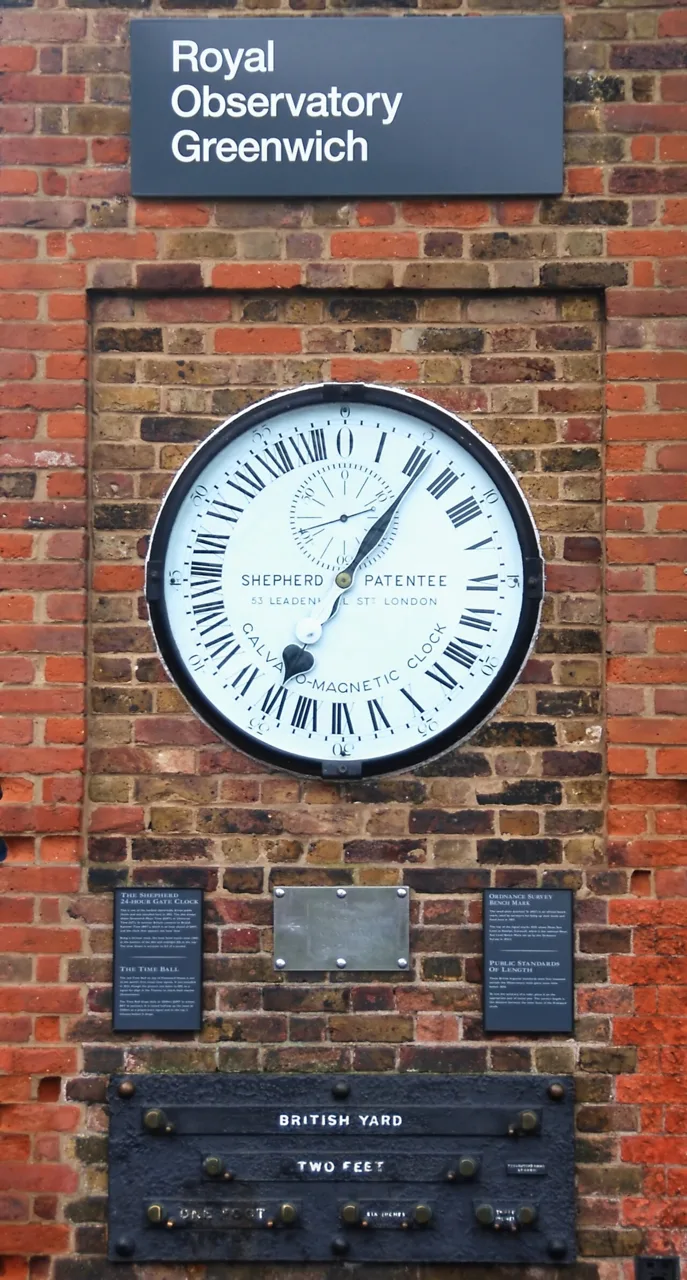
Agreement on a standard was only part of the task: clocks also needed to follow it. From 1852, electric time signals travelled from Greenwich through telegraph and railway wires, providing a practical means of coordinating clocks rather than leaving each place dependent on local observations.
GMT became the legal time standard in Great Britain in 1880, well after railway adoption had begun. The watch’s two minute hands therefore illustrate a gradual transition: a shared reference could become useful across a network before it displaced familiar local practice.
Слова из абзацев, на чтение которых вы потратили время, добавляются в «Встреченные» раз за текст в сутки UTC. Это оценка знакомства, а не понимания.
Источники и фото
Текст для изучающих английский, подготовленный по источникам ниже.