Bu yapay zekâ isteği doğrulanamadı. Lütfen tekrar deneyin.Oluşturmak için bu doğrulamayı tamamlayın.gizlegösterKapatBu filtrelere uygun belgesel bulunamadı.{0} dkTümüKomediBelgeselDramFantastikYemek ve KültürTarihKorkuDoğa ve Hayvanlarİnsanlar ve İşRomantikBilim ve ZihinGerilimKategorisizRehberi gizleTamamlandıBu videoyla nasıl öğrenilir?Çalışmak için kaydedinBir kelimeyi kaydedip daha sonra tekrar etmek için çevirideki + düğmesine basın. Hesap gerekmez.Kelimeniz kaydedildi. Kısa bir test çözün, sonraki ziyaretinizde kaydettiğiniz kelimeleri tekrar edin.İlk oturumuma başla →Buradan başlayınİzleyin, altyazıdaki bir kelimeyi çevirin ve sonra çalışmak için kaydedin. Hesap açmadan izlemeye başlayabilirsiniz.Kısa bir video. İşe yarayan yeni bir kelime.İlk öğrenme oturumunuzBir kelimeyi çevirinVideoyu başlatın, ardından çevirmek için İngilizce altyazıdaki bir kelimeye tıklayın veya dokunun. Açılan pencerede çeviri dilini seçin.30 saniye izleyinİlerlemeniz bu tarayıcıya bağlıdır. Site verilerini temizlemek erişimi kaybetmenize neden olabilir.{0} konumundan devam etİzlemeye devam etTekrara hazır kelime sayısı: {0}Sıradaki oturum yüklenemedi. Lütfen tekrar dene.Şimdi bir film dene. Daha sonra hesap oluşturabilirsin.Sıradaki hikâyen aranıyor…Sıradaki hikâyenBu seçimlere uygun yeni film yok. Başka bir seviye veya tür dene.Seviyene ve ilgi alanlarına uygun bir hikâyeKelimelerini taze tutÜcretsiz hesap oluşturKaldığın yerden devam etKaydedilen kelimeleri tekrar etİzlediğin hikâyelerden kaydettiğin kelimeleri tekrar et.İlerlemeni kaydetTercihlerin kaydedilemedi. Lütfen tekrar dene.Tercihlerin hesabına kaydedildi.Bu filmi izleB2–C1 · İleriA1–A2 · BaşlangıçB1–B2 · OrtaFilm bulunamadı. Farklı bir filtre veya sıralama deneyin.Filmler yüklenemedi. Lütfen tekrar deneyin.Daha fazla film yükleniyor…Görsel yok{0} izlenme{0} izleSeviyeye göre kelimelerYükleniyor…SonrakiPremium avantajlarınızı etkinleştirmek için hesap oluşturun veya giriş yapın.Premium ile daha yüksek günlük limitlerden yararlanın.Sınıra ulaşıldıAbone olmak için giriş yapAbone olOtomatik altyazılarİngilizceTam ekrandan çıkTam ekranBu video için çevrilmiş altyazı bulunmuyor.Otomatikİngilizcenin altında göstermek için bir dil seç. Kapatmak için tekrar seç.KapalıSeçtiğiniz dil bu video için mevcut değil. İngilizce altyazılar açık kalır.Altyazı diliFree ve Premium planlarını karşılaştırın →Aylık 2,99 € veya yılda bir ödenen yıllık 19,99 €.Her gün kelimelerinizle en fazla {0} yapay zekâ metni ve {1} hikâye görseli oluşturun.Premium ile öğrenmeye devam edinDaha yüksek günlük çeviri hakkı alın ve kelimelerinizle daha fazla yapay zekâ metni ve görseli oluşturun.Öncekiİlerlemenizi farklı cihazlarda korumak için ücretsiz hesap oluşturun.Kontrol etmeden önce tüm kelimeleri kullan.Pratiğinizdeki sorular: {0} / {1} · Tüm seviyeler.Doğru yanıt: {0}Başka bir film bulKontrol etBir seviye seç ve kısa bir teste başla. Soruları yeniden denemek her zaman ücretsizdir.Test tamamlandıDoğru!Bu seviyede henüz soru yok. Başka bir seviye dene.Yanıtın kaydedilemedi. Lütfen tekrar dene.Önerilen seviye: {0}İlk deneme: {0} / {1}Altyazıyı oku (ipucu)Tam olmadı. Tekrar dene.Test yüklenemedi.Test yükleniyor…Eksik kelimeleri yaz…Hataları gözden geçir{0} soru daha çözBu seviyede yeni soru yok. Başka bir seviye dene veya sorularını tekrar et.Pratiğinizde bu seviyeye uygun soru yok. Tekrar etmek için Tüm seviyeler seçin.Cümleyi oluşturmak için kelimelere tıkla.Soru {0} / {1} · Doğru: {2}Soru {0}Sahneyi tekrar oynat · {0}Bu soruyu tekrar deneTekrar deneSeviye: {0}Tur {0}Tur tamamlandıSon yanıtların: {0} / {1} doğru{0} soruluk testi başlatEn uygun yanıtSahneyi anlamaEksik kelimeBoşluğu doldurAnlamAynı anlamKelime sırasıTekrarTekrar seçeneği bu kelimeyi bugün için planlar. Yeniden çalışmak için kelime çalışma bölümünü tekrar açın.Tekrar tamamlandı! Tekrar olarak işaretlenen kelimeler hâlâ bugün için bekliyor. Hazır olduğunuzda Kelime çalış bölümünü açın.KolayÇalışmaya başlamak için altyazıdan bir kelime kaydedin veya yukarıdan kendi kelimenizi ekleyin.ZorKelimeleriniz yüklenemedi. Kelime çalış düğmesine tekrar basın.Kelimeleriniz hazırlanıyor…OrtaSonraki tekrarŞu anda tekrar edilecek kelime yok. Daha sonra dönün veya çalışmak için yeni bir kelime kaydedin.Değerlendirmeniz kaydedilemedi. Lütfen tekrar deneyin.Kelime çalışBugünKelime toplamı güncellenemedi. Oturum özetini tekrar aç.Kelime kaydetmek ve ilerlemeni takip etmek için ücretsiz hesap oluştur.İzlenen dakika: {0}Bu filmin testiyle pratik yapKelimelerin kaydediliyor…İzleme oturumunKelimelerini görüntüleYeni karşılaşılan kelimeler: {0}Tekrar çalışBu tarayıcıda ses kullanılamıyor.Konulara göre kelime setlerine göz atınCevabı kontrol etGünlük İngilizce{0} kelime ve ifade · {1} konuAferin!Hangi İngilizce kelime uyuyor?Cevabı gösterİngilizce kelimeyi yazınTur tamamlandı!Kelime kartlarıAnlamı gösterTahmin etİlerleme bu tarayıcıda kaydedilir. Cihazlar arasında korumak için giriş yapın; site verilerini temizlemek erişimi kaldırabilir.Bir harf gösterHarf ipucu: {0}Günlük İngilizce için kısa bir alıştırma. Bir konu seçin ve kelimeyi hatırlamaya çalışın.Bu kelime setleriyle çalışmak için JavaScript özelliğini etkinleştirin.İleriTüm seviyelerBaşlangıçOrtaZorlukÖnerilen alıştırma zorluğu; bazı kelimeler ve videolar daha kolay veya zor olabilir.DinleKelime setleri yüklenemedi. Lütfen tekrar deneyin.Alıştırma moduSonraki kelime →Sonraki turSonraki konu →Kart {0} / {1}Kelime alıştırmasıÇalışılan: {0} / {1}Bu konuda çalışılan farklı kelimelerİlerleme, çalışılan farklı kelimeleri sayar. İpuçları ve gösterilen cevaplar alıştırma sayılır, yardımsız hatırlama sayılmaz.Anlamını hatırlıyor musunuz?HatırlıyorumBu konuyu tekrar çalışTekrar deneNeleri hatırladığınızı kontrol etmek için sonra geri gelin. Çalışılmış olması öğrenildiği anlamına gelmez.Cevabı ve örneği okuyun. Bu kelimeyi tekrar için kaydedebilirsiniz.Tur başına kelimeTekrar için kaydetKaydedilemedi. Lütfen tekrar deneyin.Kaydedildi ✓İngilizce anlamı ve örneğiyle Kaydedilen kelimelere eklendi.Bu turda {1} kelimeden {0} tanesi hatırlanıyor olarak işaretlendi.Bu turda {1} kelimeden {0} tanesi ipucu veya tekrar deneme olmadan hatırlandı.Kelime setleriGünlük eylemlerHayvanlar ve yaban hayatıDoğa ve çevreAile ve insanlarDuygular ve kişilikYiyecek ve içeceklerSağlık ve vücutEv ve günlük yaşamGörüşler ve kararlarYaygın öbek fiillerİlişkiler ve sohbetlerOkul ve öğrenmeBilim ve uzayAlışveriş ve paraHaberler ve toplumFilmler ve hikâye anlatımıTeknoloji ve internetSeyahat ve ulaşımHava ve mevsimlerİş ve mesleklerBir konu seçinBu konuyla ilgili bir videoyla öğrenmeye devam et.Alıştırma yap, sonra izleDoğru, biraz yardımla. Daha sonra tekrar hatırlamayı deneyin.Henüz doğru değil. Tekrar deneyin, bir harf açın veya cevabı gösterin.Cevap seçenekleri ve geri bildirim içeren bir LearnMovies testinin kaydıLearnMovies üzerinde altyazı çevirme ve kelime kaydetme kaydıFilmle ilgili sorularla ne kadar anladığınızı kontrol edin.Bir kelimeyi kaydedip daha sonra tekrar etmek için çevirideki + düğmesine basın. Hesap gerekmez.Tanıtımı duraklatTanıtım animasyonunu duraklatÜrün tanıtımı duraklatıldıTanıtımı oynatTanıtım animasyonunu oynatBaşlangıç kelimeleri · İngilizce altyazılarTüm adımları gösterTanıtımı duraklatTanıtımı oynatAdım {0} / {1}Doğru.Tam değil.{1} sorudan {0} doğru.Continue to Saved WordsThat word is already saved. Choose another word from the text for this tour.Check answerClose tourTour completeContinue to reviewOkumaya devam etBu sahne duraklatıldı. “worried” veya başka bir altyazı kelimesinin üzerine gelin ya da dokunun. Sorulursa çeviri dilinizi seçin.Rehberli demoyu deneyin1 · Bir kelime deneyinDoneRead, translate, save and review. Use word packs or AI texts whenever you want more practice with your words.You have a learning routineWelcome bonus earned: +50 XP, plus your review XP.Could not start the tour. Try again.Finish tourContinue on the practice pageTry a short guided reading exercise.Learn your first wordMaybe laterOpen Saved Words to try recalling its meaning. We will put your new word first in the review queue.Open Saved Words →Your word is savedOptional · AI practiceOptional · Quick questionGet a word pack with example sentences and a dialogue. A new pack uses your daily allowance; an existing pack can be opened again. You can skip this step.Read how the word is used in sentences and a dialogue. You can also open the exercises. Continue when you are ready to rate your recall.Explore the examplesSee your word in contextTry one question about the text. A correct first attempt earns +10 XP. You can skip it and still complete the tour.Try one questionRead the explanation, then continue to practise your saved word.Learn from the answerCheck what you understoodChoose Again, Hard, Medium or Easy honestly. The times show when you will review it again. Every rating earns the same review XP.How well did you remember?Read a few lines. Click a word you would like to learn; the highlighted word is a suggestion. Choose your translation language if asked.Read, then choose a wordResume tourWhat does this word mean? Think of the answer, then reveal the translation to check yourself.Try to remember firstComplete this saved-word review for a one-time +50 XP welcome bonus—enough to reach Level 2.Read the translation, then press Save to practise. It will keep the word and its sentence in Saved Words.Keep this wordShow me howSkip AI stepSkip questionSkip tourTake a quick tour3 · Practise1 · Read2 · Save1 · WatchPress Study words. Your saved word comes first.Start a real reviewWatch a short scene, then hover over or tap an English subtitle word to translate it. If no words appear, use the subtitle menu to turn on English. Choose your translation language if asked.Try a subtitle wordChoose your words, level, topic and format, then press Generate my text. This uses your daily text allowance. A selected picture also uses your picture allowance. Nothing is generated until you press the button.You have completed a real word review. Now you can create an AI text from your saved words, or finish the tour here.Create something with your wordsMake a text you want to readWatch, translate, save and review. Use word packs or AI texts whenever you want more practice with your words.Read the translation, then press the + button in the popup. This saves the word and its subtitle sentence for practice.Press Watch now, or choose an episode. If the player is already open, press its play button. You stay on this video throughout the first steps.Start a videoVideo izleÇeviri isteği doğrulanamadı. Lütfen tekrar deneyin.Çeviri için bu doğrulamayı tamamlayın.Şimdi değilBir dil seçinBu dili kelime çevirileri ve mevcut olduğunda otomatik ikinci altyazılar için kullanın.Çeviri diliBunu daha sonra değiştirebilirsiniz. Web sitesinin dili aynı kalır.Tercihi kaydetÇevirileri hangi dilde görmek istersiniz?Web sitesi diliBu seviyede henüz kelime yok. Video izleyin veya kütüphaneden bir metin okuyun.Karşılaşma: {0} · Film / bölüm: {1}Kelimeleriniz kaydedilemedi veya yüklenemedi. Lütfen tekrar deneyin.Tahmini {0}Kullanıma göre önerilen seviye; bir CEFR kaynağında bu kelime için ayrıca doğrulanmamıştır.Sık karşılaşılanÇeviriyi gizleBu kelimeyi biliyorumBu kelimeyi biliyorum: {0}{0}: listedeki {4} kelimeden {1} görülen, {2} sık karşılaşılan, {3} hatırlanan. Kelimelere göz atın.{0} · Sayfa {1} / {2} yüklendi.Karşılaşmalar yükleniyor…Çeviri yükleniyor…Kelimeler yükleniyor…{0} hatırlanan olarak işaretlendi.Daha fazla karşılaşma yükleKarşılaşma bulunmuyor.Kaydedilen kelimeleri aç →Sayfa {0}Paragraf {0} · {1}Telaffuzu dinle{2} kelimeden {0}–{1} · Sayfa {3} / {4}{1}, {2}. paragrafta {0} kelimesini okuHatırlananKarşılaşmaları yeniden yükleÇeviriyi tekrar deneBu kelime kaydedilemedi. Lütfen tekrar deneyin.Pratik için kaydetİlerleme kaydedildi.Pratik için kaydedildiDil araDil seçOturumunuz sona erdi. Kelimelerinizi görmek için tekrar giriş yapın.Çeviriyi gösterKarşılaşma: {0} · Video / metin: {1}Kelime yolculuğunuz bir sonraki video veya metinle başlar.{0} kelimesinin çevirisini gösterÇeviri yüklenemedi. Lütfen tekrar deneyin.Günlük çeviri sınırına ulaştınız. Yarın tekrar deneyin.Bugün {1} çeviriden {0} kaldıGeri al{0} kelimesinin hatırlanan işaretini kaldır{0} için hatırlanan işareti kaldırıldı.{0} kelimesini {1} içinde {2} anında izleKelimelerinizKelime ekleİngilizce bir kelime girin. Seçtiğiniz dile çevireceğiz; çeviriyi düzenleyebilirsiniz.Değiştirİngilizce bir kelime, çevirisi veya anlamı ve isterseniz örnek bir cümle ekleyin.Çeviri diliÖrnek cümle (isteğe bağlı)Çeviri veya anlamİngilizce kelimeTüm avatarlar açıldı!YönetmenMutlu MısırMinik TaneSinemaseverKitapseverİlk PatlamaAvatarını seçGünlük bonus +15Günlük bonus kazanıldı · +15 XPAvatar seçKapat{0}/5 etkinlik · +15 XP günlük bonus+{0} XPİlerlemen güncellenemedi. Lütfen tekrar dene.Herkes için ücretsiz. Premium daha fazla XP kazandırmaz.Seviye {0}Seviye {0} oldun!Seviye {0} ile açılırEtkinlik seviyeleri pratiğini kutlar. A1–C2 İngilizce seviyenden ayrıdır.Sonraki avatar: {0} · Seviye {1}XP kazandıran sonraki tekrar: {0}Sonraki etkinlik seviyesine ilerlemeSeviye {1} için {0} XPHer soru yalnızca bir kez XP kazandırır. Kelimeler tekrar zamanı geldiğinde yeniden XP kazandırır; aynı gün tekrarlamak ek puan vermez. Kelime eklemek, biliniyor olarak işaretlemek ve AI içeriği üretmek XP kazandırmaz.Günde beş farklı etkinlik tamamla: +15 XP. Günler UTC gece yarısında sıfırlanır.Tahmin modunda doğru yanıt: +10 XP; harf ipucuyla +5 XP.Video veya hikâye sorusuna ilk denemede doğru yanıt: +10 XP.Zamanı gelen kart tekrarı: Tekrar dahil her değerlendirme için +3 XP. Dürüstçe değerlendir.XP nasıl kazanılır?SeçildiPatlamış mısır yolculuğunToplam {0} XPTekrar okuDengeli · %95Metin veya geri bildirim oluşturuluyor. Lütfen bekleyin.Zorlayıcı · %90Geri bildirim alKelimelerimle bir hikâye oluşturKendi konumÖzel oranSilBu metin ve okuma geçmişi silinsin mi? Günlük oluşturma hakkınız yenilenmez.Metin silindi.DiyalogÇok kolayİlk hikâyeniz burada görünecek.İstek tamamlanamadı. Bağlantınızı ve ayarları kontrol edip tekrar deneyin.Hatırlanan kelimeler ve hedef seviyenizin kelimeleri temel alınır. Bir kelimeyi görmek onu bilmek değildir. Son oran isteğinizden farklı olabilir.Günlük yaşamTahmini bilinen kelime oranıYanıtınız sonraki metnin kelime aşinalığı ayarını değiştirir.Kaydedildi. Sonraki metniniz güncellenen kelime ayarını kullanacak.BiçimMetnimi oluşturMetniniz veya geri bildirim oluşturuluyor…Oluşturma başarısız oldu. Başarılı oluşturma hakkınız kullanılmadı. Tekrar deneyin.Çok zorBu metin nasıldı?Resim ekleBugün kalan resim hakkı: {0} / {1}. Önce metniniz hazır olur.{0} için resimYapay zekâ ile oluşturulan resim · hikâyenizle birlikte kaydedildiResmi kontrol etResim oluşturulamadı. Hikâyeniz kaydedildi ve okumaya hazır.Bugün başka resim oluşturulamıyor. Metin okumaya ve oluşturmaya devam edebilirsiniz.Kaydedilen resim yüklenemedi. Yeniden deneyin.Resminiz oluşturuluyor… Beklerken okuyabilir ve kelimeleri çevirebilirsiniz.Resmi yeniden oluşturmayı deneResimler geçici olarak kullanılamıyor. Yine de metin oluşturabilirsiniz.Resim ekleVideolarınızdaki kelimeleri kendi hikâyenize dönüştürün.UzunlukHedef seviyeKaydedilen metinlerGünlük oluşturma sınırına ulaştınız. Kayıtlı metinleri tekrar okuyabilirsiniz.Uzun · yaklaşık 400 kelimeHer seferinde bir İngilizce kelime ekleyin. Yukarıdaki seçili kelimeleri de düzenleyebilirsiniz.En fazla 48 harflik bir İngilizce kelime girin. Kesme işareti ve kısa çizgi kullanılabilir.Bu bölümü okudumOrta · yaklaşık 200 kelimeÇoğunlukla tanıdık · %98DoğaSonrakiBu metin kullanılamıyor veya silinmiş.Diğer seçeneklerDiğer önerilerBir kelimeyi kullanmayı deneyinBugün {0} cümle kontrolü kullanılabilirPratik kelimelerinizÖncekiÖzel kitaplığınıza kaydedilir. Yapay zekâ tarafından üretilen kurgu; seviye ve kelime aşinalığı tahminidir.{1} bölümden {0} tanesi okunduBugün {1} metinden {0} tanesi kullanılabilirÖnce bu kelimenin bulunduğu bölümü okuyup işaretleyin.VideolarımdanTam uygunÖzel kitaplığınıza kaydedildi.Henüz pratik yapacak kayıtlı kelime yok. Kayıtlı Kelimeler sayfasından ekleyin veya yukarıya yazın.Kayıtlı Kelimeler bölümünde iyi bilinen olarak işaretlenenler dışında tüm seviyelerdeki kayıtlı kelimeler gösterilir. Seçtiğiniz seviye metnin zorluğunu belirler.BilimBölüm okunduKendi cümlenizi yazınOturumunuz sona erdi. Tekrar giriş yapın.Kısa · yaklaşık 100 kelimeOkumalarınızdanPratik için kaydedildiVideo veya okumada görülenBu seviye için önerildi{0} kayıtlı metin · {1} tamamlandı · okumada karşılaşılan {2} kelimeHikâyeHedef {0} · {1} kelime · tahmini bilinen kelime %{2} (istenen %{3})OkumalarımKonu{0} kelimesini çevirÇevirmek veya kaydetmek için bir kelime seçin. İlerlemenizi kaydetmek için okuduğunuz her bölümü işaretleyin.SeyahatSeviye belirtilmemiş{0} seçili kelimelerinize eklendi.Virgülle ayrılmış en fazla 8 İngilizce kelime seçin. Her giriş tek kelime olmalıdır.Önerileri seçin veya değiştirin. Kaydedilen kelimeler önceliklidir; videolarda gördüğünüz kelimeleri zaten biliyor olabilirsiniz.Pratik kelimeleri · virgülle ayrılmış en fazla 8 kelime
Çevirmek ve çalışmak üzere kaydetmek için bir kelimeye dokunun.
An 1840s traveller’s watch made by Vulliamy had one hour hand but two minute hands: one showed Greenwich time, the other local time. Rather than indicating a faulty mechanism, this unusual arrangement captured a period when travellers had to negotiate two systems of time.
British towns traditionally followed local solar time, so Liverpool was roughly twelve minutes behind Greenwich. Both readings could be legitimate within their own local systems. When journeys were slow, adjusting to these differences was manageable; there was less need for clocks across towns to agree.
Railways changed the scale of the problem. A timetable linking several places required a common reference, otherwise its times could be interpreted differently along the route. Railway companies increasingly adopted Greenwich Mean Time, or GMT, during the 1840s, although local time continued alongside it.
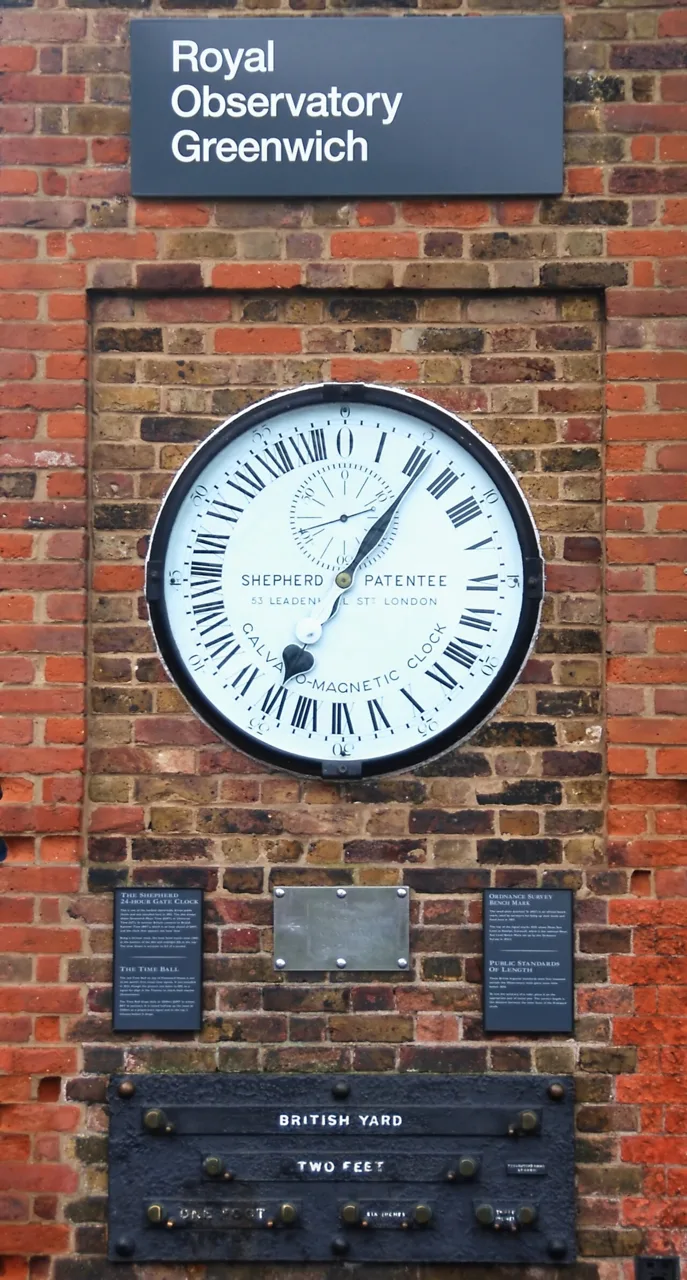
Agreement on a standard was only part of the task: clocks also needed to follow it. From 1852, electric time signals travelled from Greenwich through telegraph and railway wires, providing a practical means of coordinating clocks rather than leaving each place dependent on local observations.
GMT became the legal time standard in Great Britain in 1880, well after railway adoption had begun. The watch’s two minute hands therefore illustrate a gradual transition: a shared reference could become useful across a network before it displaced familiar local practice.
Okuduğunuz paragraflardaki kelimeler, metin başına UTC gününde bir kez Görülenler listesine eklenir. Bu, anlama değil karşılaşma tahminidir.
Kaynaklar ve fotoğraf
Aşağıdaki kaynaklardan yararlanılarak İngilizce öğrenenler için yazılmıştır.