
Why Cities Stay Hot After Sunset
اضغط على كلمة لترجمتها وحفظها للتدريب.
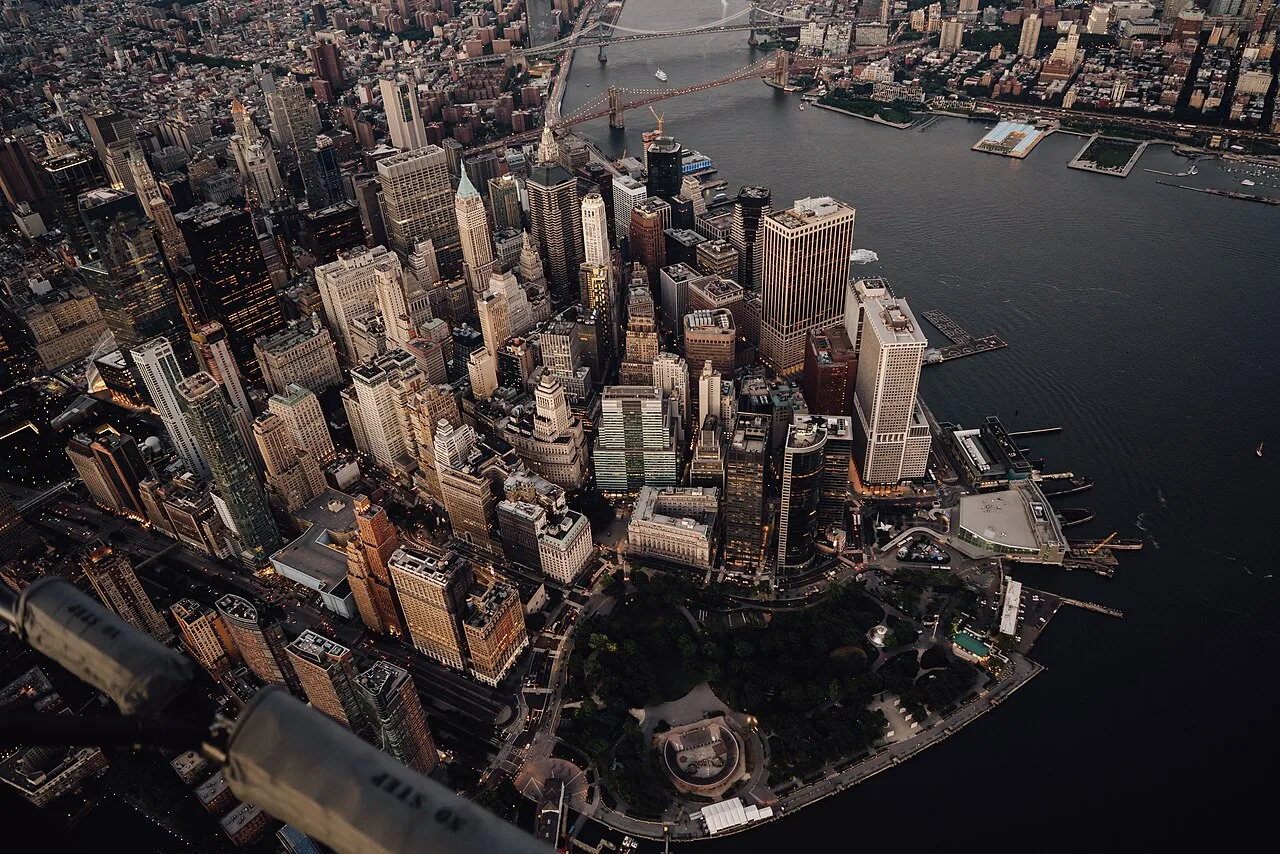
You leave a shaded park at sunset and step onto a street that still feels warm. Why does the city hold on to the day’s heat? Part of the answer is an urban heat island: a built-up area that is warmer than nearby areas with more natural surfaces.
During the day, roads, roofs and other building materials take in and store heat. They release it slowly, including after sunset. This means a street can stay warm even when sunlight no longer reaches it. Cars, buildings and air conditioning can also add heat to their surroundings.
Trees help cool an area in two ways. Their shade reduces the sunlight reaching the ground and other surfaces. They also release water into the air as vapour, or water in gas form. This helps cool the area around them, so shade is only part of their effect.
However, conditions vary across a city. Some streets have more trees, while others have more buildings and roads. Building layout and wind also affect local heat. Remember, too, that road temperature and air temperature measure different things. When comparing temperatures, check what was measured, not just where.
تُضاف كلمات الفقرات التي تقضي وقتًا في قراءتها إلى الكلمات المُشاهَدة مرة لكل نص في اليوم بتوقيت UTC. هذا تقدير للتعرّض للكلمات وليس لفهمها.
المصادر والصورة
كُتبت لمتعلمي الإنجليزية بالاستناد إلى المصادر أدناه.
- US Environmental Protection Agency: What are heat islands?
- US Environmental Protection Agency: Trees and vegetation
آخر مراجعة:
الصورة: SebastianBlumeArt · CC BY-SA 4.0 · عُدّل الحجم واقتُصّت الصورة المصغّرة.

اختبر فهمك
مقالات معلوماتية موثّقة. مستويات CEFR تقديرية.