
Memory Is Not a Recording
แตะคำเพื่อแปลและบันทึกไว้ฝึกฝน
Two people leave the same dinner with slightly different accounts of what happened. One recalls a comment before the food arrived; the other places it afterwards. It is tempting to assume that one person has simply failed to retrieve an intact recording. Memory, however, does not work quite like a video archive.
Research discussed by psychologist Daniel Schacter describes remembering as a constructive process. We draw on elements of experience and on expectations shaped by familiar situations. Those expectations are useful: they help us make sense of events without treating every detail as entirely new. Yet they can also fill gaps with something plausible rather than something that occurred.
The flexibility involved is not merely a defect. Some of the same processes that allow us to reconstruct the past help us imagine possible futures. A system capable of recombining experience can be useful even when it does not preserve every detail faithfully.
This does not make all recollection worthless. It changes the question we should ask. Instead of treating a memory as a sealed container, we can consider how it was assembled, which details have support, and where an expectation may have quietly supplied the missing piece.
คำในย่อหน้าที่คุณใช้เวลาอ่านจะถูกเพิ่มในคำที่เคยเห็น หนึ่งครั้งต่อข้อความต่อวัน UTC เป็นการประมาณการพบคำ ไม่ใช่ความเข้าใจ
แหล่งข้อมูลและภาพถ่าย
เขียนสำหรับผู้เรียนภาษาอังกฤษโดยอ้างอิงแหล่งข้อมูลด้านล่าง
ตรวจสอบล่าสุด:
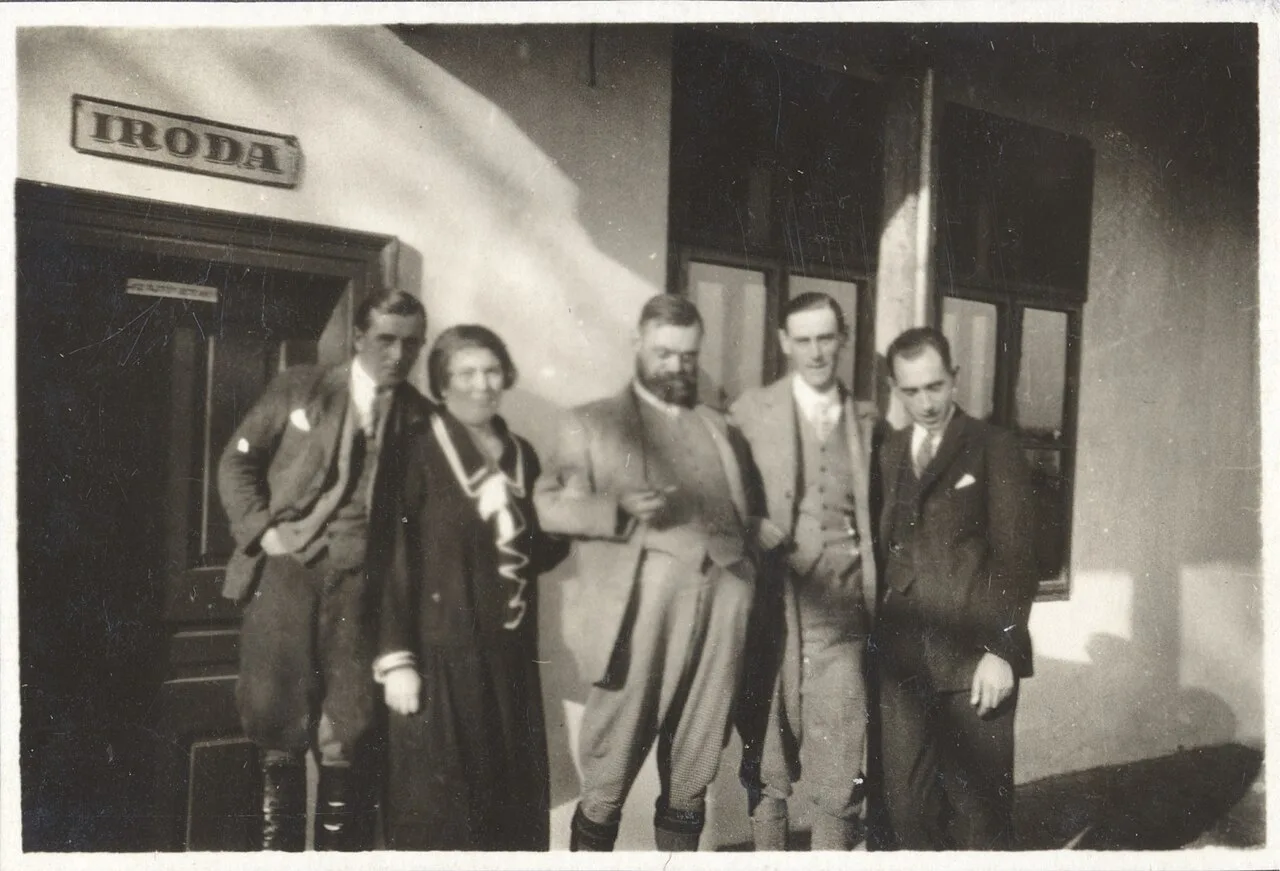
ภาพถ่าย: Unknown photographer; Wikimedia Commons · Public domain · ปรับขนาดแล้ว ภาพย่อถูกครอบตัด

ตรวจสอบความเข้าใจ
บทความข้อเท็จจริงพร้อมแหล่งข้อมูล ระดับ CEFR เป็นค่าประมาณ